
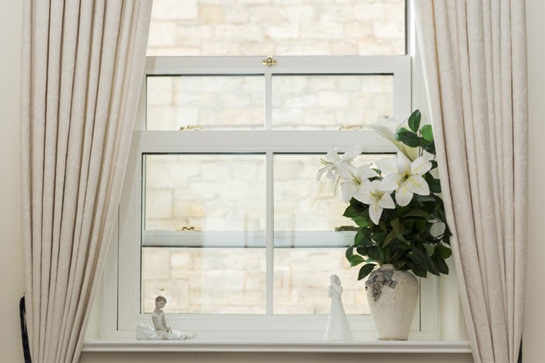
Replacing windows in a period property requires careful thought at the best of times. When that property is located within one of Oxford’s conservation areas, the process becomes even more sensitive. Homeowners must balance the need for improved comfort and energy efficiency with the responsibility of preserving architectural character.
This guide is designed to help Oxford homeowners understand what is involved in replacing windows in conservation areas, which styles are most appropriate, and how to navigate planning requirements without unnecessary stress or expense.
Understanding Oxford’s Conservation Areas
Oxford has a large number of designated conservation areas, reflecting the city’s historic significance and diverse architectural heritage. These areas are protected to ensure that changes to buildings preserve or enhance their character.
Properties within conservation areas often include:
- Georgian and Victorian townhouses
- Edwardian terraces
- Historic cottages
- Early 20th-century family homes
- Buildings with original timber windows and detailing
If your home falls within a conservation area, even relatively small external changes can be subject to additional scrutiny.
Why Window Replacement Is More Complex in Conservation Areas
Windows play a major role in the appearance of a period property. Their proportions, materials, glazing patterns and opening methods all contribute to the character of the building.
Local authorities are particularly concerned with:
- The visual impact of replacement windows
- Retaining traditional proportions and sightlines
- Preserving original materials where possible
- Ensuring replacements are in keeping with the surrounding area
This does not mean window replacement is impossible. It means that careful planning and informed choices are essential.
Do You Need Planning Permission?
In many cases, replacing windows in a conservation area does require planning permission, particularly if the replacements alter the appearance of the property.
You are more likely to need approval if:
- The original windows are being replaced with a different style
- The frame material is changing
- Glazing bars or proportions are altered
- The property faces a public road
- The building is listed
Even like-for-like replacements may require consent in some conservation areas, so it is always advisable to check before proceeding.
Listed Buildings vs Conservation Areas
It is important to distinguish between listed buildings and conservation areas.
- Listed buildings require listed building consent for almost all window replacements, even internal changes.
- Conservation area properties are subject to planning controls, but the requirements vary depending on location and visibility.
Understanding which category your home falls into is the first step in determining what is possible.
Common Challenges for Period Homes in Oxford
Many period properties still have original timber windows. While visually appealing, these often struggle to meet modern expectations for comfort and efficiency.
Typical issues include:
- Significant heat loss
- Draughts and cold spots
- Condensation on glass and frames
- Difficulty opening or closing windows
- Poor security compared to modern standards
- Ongoing maintenance requirements
Window replacement aims to address these issues without compromising the historic appearance of the building.
Suitable Window Styles for Period Properties
Choosing the correct window style is critical in conservation areas. The aim is to retain traditional aesthetics while upgrading performance.
Sliding Sash Windows
Sliding sash windows are one of the most common window types found in Oxford’s period properties.
Modern sash windows can replicate traditional features such as:
- Slim glazing bars
- Vertical sliding operation
- Traditional proportions
- Authentic detailing
At the same time, they offer:
- Double glazing for improved insulation
- Draught-proofing
- Enhanced security
- Smooth, reliable operation
These windows are often the preferred choice for Georgian, Victorian and Edwardian homes.
Flush Sash Windows
Flush sash windows are particularly well suited to period properties where original casement windows were fitted.
They offer:
- Sashes that sit flush within the frame
- A traditional timber-style appearance
- Clean external lines
- Excellent energy efficiency
- Low maintenance construction
Flush sash designs are often acceptable in conservation areas when specified carefully.
Traditional Casement Windows
Many early 20th-century properties feature side-hinged casement windows.
Modern replacements can be designed with:
- Slim frames
- Decorative glazing bars
- Traditional ironmongery
- Heritage-style finishes
This allows homeowners to retain the original character while benefiting from modern glazing technology.
Materials: Timber vs Modern Alternatives
Material choice is often the most sensitive aspect of window replacement in conservation areas.
Timber Windows
Timber is sometimes required, particularly for listed buildings or prominent elevations.
Advantages include:
- Authentic appearance
- Traditional detailing
- Natural material
However, timber windows also involve:
- Regular painting and maintenance
- Higher long-term costs
- Greater susceptibility to weathering
uPVC Heritage Windows
Modern uPVC has advanced significantly and can now replicate traditional timber windows with impressive accuracy.
Heritage-style uPVC windows offer:
- Timber-effect finishes
- Slim sightlines
- Traditional glazing patterns
- Excellent thermal performance
- Minimal maintenance
In many conservation areas, these are accepted when they closely match the original windows in appearance.
Aluminium Windows
Aluminium is generally less suitable for traditional properties, particularly in conservation areas, due to its modern appearance. It is more commonly used in contemporary extensions rather than original façades.
Improving Energy Efficiency Without Compromising Character
One of the main reasons homeowners replace windows is to improve energy efficiency. Period properties often lose a significant amount of heat through old glazing.
Modern conservation-appropriate windows can:
- Reduce heat loss dramatically
- Eliminate draughts
- Improve comfort year-round
- Lower heating bills
- Improve EPC ratings
Careful specification ensures these benefits are achieved without altering the building’s external character.
Secondary Glazing as an Alternative
In some cases, full window replacement may not be permitted. Secondary glazing can be an alternative.
Secondary glazing involves installing an additional internal pane of glass.
Benefits include:
- Improved insulation
- Reduced noise
- Minimal impact on external appearance
- Reversibility, which is often favoured by conservation officers
However, it may not offer the same level of performance or ease of use as full replacement windows.
Security Considerations for Period Homes
Older windows often lack modern security features.
New windows designed for conservation areas can include:
- Multi-point locking systems
- Reinforced frames
- Toughened or laminated glass
- Secure locking handles
These features improve security while remaining discreet and in keeping with period design.
The Importance of Accurate Detailing
In conservation areas, small details matter.
Planning authorities often assess:
- Frame thickness
- Glazing bar width
- Sightlines
- Opening methods
- Finish and colour
A professional survey and detailed drawings may be required as part of a planning application.
Working with Local Planning Authorities
Engaging constructively with the local planning authority can make a significant difference.
A knowledgeable installer can:
- Advise on what is likely to be approved
- Prepare appropriate specifications
- Support planning applications
- Liaise with conservation officers where needed
This reduces the risk of refusal and delays.
Why Experience Matters
Replacing windows in conservation areas is not a standard installation. It requires experience, attention to detail and an understanding of local expectations.
An experienced installer will:
- Assess the property’s historic features
- Recommend appropriate window designs
- Ensure compliance with regulations
- Deliver a high-quality finish
- Provide documentation where required
This expertise is invaluable in avoiding costly mistakes.
What to Expect from the Replacement Process
The process typically involves:
- An initial survey of the property
- Discussion of suitable styles and materials
- Advice on planning permission
- Manufacture to precise specifications
- Careful removal of old windows
- Skilled installation with minimal disruption
- Final checks and sign-off
Clear communication throughout the process is essential, particularly where approvals are required.
Long-Term Benefits of the Right Approach
When done correctly, window replacement in a conservation area offers long-term benefits.
Homeowners can enjoy:
- Improved comfort and warmth
- Reduced energy costs
- Enhanced security
- Preserved architectural character
- Increased property value
The key is choosing solutions that respect the property while meeting modern living standards.
Why Oxford Homeowners Choose Isis Windows
With decades of experience working on properties across Oxfordshire, Isis Windows understands the challenges of window replacement in conservation areas.
Homeowners benefit from:
- In-depth knowledge of local planning requirements
- Experience with period and heritage properties
- High-quality, conservation-appropriate window systems
- In-house, skilled fitters
- Clear advice and reliable aftercare
This expertise ensures every project is handled with care and professionalism.
Final Thoughts
Replacing windows in Oxford’s conservation areas requires a thoughtful, informed approach. While restrictions exist to protect historic character, modern window solutions make it possible to improve comfort, efficiency and security without compromising appearance.
By understanding planning requirements, choosing appropriate window styles and working with an experienced local specialist, homeowners can achieve results that respect the past while supporting modern living.
If you are considering window replacement for a period property in Oxford, seeking expert local guidance is the most effective way to ensure a successful outcome.