
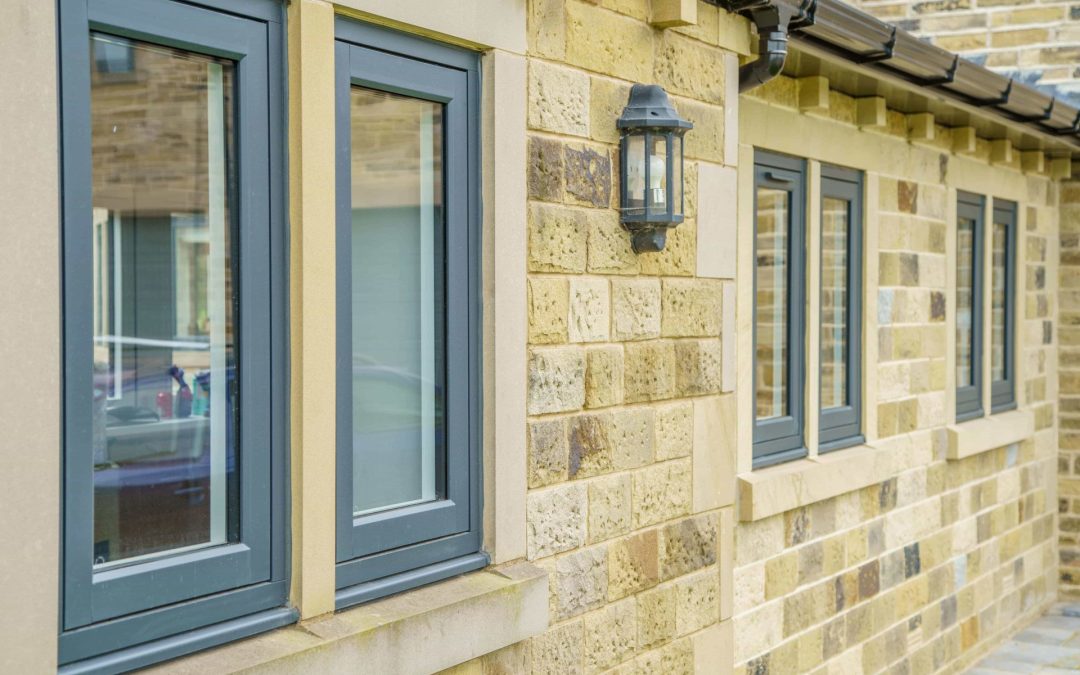
Waddesdon has a varied mix of homes, ranging from traditional village properties and period cottages to post-war family houses, modern developments and properties in the surrounding Buckinghamshire countryside.
That range of architecture means the right replacement windows will not be the same for every home.
A character property may benefit from flush casement or sash-style windows that preserve traditional proportions. A newer house may be better suited to practical uPVC casements, slim aluminium frames or a contemporary colour such as grey or black.
The best windows should complement the building while improving comfort, security, ventilation and energy efficiency. They should also suit the way each room is used.
This guide explains the main factors Waddesdon homeowners should consider when choosing new windows.
When should windows be replaced?
Older windows do not always need complete replacement.
Some problems can be resolved by replacing a failed sealed unit, worn handle, damaged hinge or deteriorated gasket.
Full replacement may be more appropriate where the windows show signs such as:
- Persistent draughts
- Condensation between the panes
- Rotten or damaged timber
- Warped frames
- Difficulty opening or closing
- Loose or unreliable locks
- Water entering around the frame
- Excessive outside noise
- Discoloured or brittle uPVC
- Poor thermal performance
- Repeated repair requirements
- Windows that no longer suit the property
A professional survey can help establish whether repair or replacement offers the most sensible long-term solution.
Choosing windows to suit Waddesdon properties
Replacement windows have a major effect on the appearance of a home.
The frame material is important, but it is only one part of the overall design.
Homeowners should also consider:
- Frame thickness
- Pane proportions
- Opening styles
- Glazing bars
- External colour
- Internal finish
- Handle design
- Sill depth
- The amount of visible glass
- The position of the frame within the opening
A window can be technically suitable but still look out of place if its proportions or colour do not complement the building.
Windows for traditional Waddesdon homes
Waddesdon and the nearby villages contain many older and period-inspired properties.
These may include cottages, terraces, Victorian and Edwardian houses, traditional brick homes, rendered properties and rural houses.
For these homes, the aim is often to improve warmth and security without losing character.
Flush casement windows
Flush casement windows can suit traditional properties because the opening sash sits level with the surrounding frame when closed.
This creates a flatter appearance than a standard stormproof casement.
They may be suitable for:
- Period cottages
- Traditional brick homes
- Rural properties
- Victorian-inspired houses
- Barn-style conversions
- Rendered homes
- Period-style modern developments
Flush casements are available in uPVC and timber, with a range of colours, woodgrain finishes and glazing-bar options.
The frame proportions and glazing layout still need to be selected carefully.
Sliding sash-style windows
Sliding sash windows are associated with Georgian, Victorian and Edwardian architecture.
They open vertically and can preserve the tall, balanced appearance of a traditional frontage.
Modern sash-style windows may include:
- Double glazing
- Secure locks
- Improved weather seals
- Sash horns
- Georgian bars
- Tilt-in cleaning features
- Timber or timber-effect finishes
- Heritage colours
The meeting rail, frame thickness and upper-to-lower sash proportions should all reflect the building.
Timber-effect finishes
Timber-effect uPVC can provide a lower-maintenance option for homeowners who prefer a traditional appearance.
Possible finishes include:
- White woodgrain
- Cream
- Pale green
- Light oak
- Dark woodgrain
- Grey
- Black
- Dual-colour combinations
A woodgrain texture and flush profile can create a more sympathetic result than basic smooth white frames.
Windows for modern Waddesdon homes
Modern developments and updated family properties often suit cleaner, simpler window designs.
Possible options include:
- Standard uPVC casement windows
- Flush casement windows
- Aluminium windows
- Tilt and turn windows
- Larger fixed panes
- Dual-colour frames
- Grey or black finishes
- Coordinated window and door systems
Homeowners on newer developments should check whether planning conditions, lease restrictions or estate management rules control external colours and styles.
A dramatic change may not always be permitted, even where the windows are being replaced.
uPVC windows
uPVC remains a popular choice because it offers a practical balance of performance, cost and maintenance.
Benefits can include:
- Good thermal efficiency
- Multi-point locking
- Resistance to rot
- Easy cleaning
- A broad range of styles
- Many colour options
- Woodgrain finishes
- Traditional and contemporary designs
- Minimal painting or staining
Standard casements suit many family homes, while flush casement and sash-style designs can work better on period properties.
The overall result depends on the quality of the frame, glazing and installation.
Aluminium windows
Aluminium windows are often chosen for modern homes and extensions.
Their strength allows relatively slim frames and larger glazed areas.
Potential benefits include:
- Slim sightlines
- A clean contemporary appearance
- More visible glass
- Strong and durable frames
- A wide colour range
- Low maintenance
- Coordination with aluminium bi-fold or sliding doors
Modern aluminium systems include thermal breaks to reduce heat transfer through the frame.
They can work particularly well in kitchens, open-plan living spaces and rear extensions.
Timber windows
Timber can be highly suitable for period and character homes.
It offers natural texture and can be made with bespoke profiles and glazing details.
Benefits may include:
- Authentic appearance
- Good natural insulation
- Flexible paint finishes
- Suitability for unusual openings
- Slim traditional profiles
- Repairability
- Compatibility with many older homes
Timber requires regular maintenance.
Frames should be checked for cracked coatings, open joints and moisture damage, then refinished when required.
Standard casement or flush casement windows?
Both styles can provide modern insulation and security.
The main difference is visual.
Standard casement windows may suit:
- Post-war homes
- Modern developments
- Family houses replacing similar frames
- Projects where value and practicality are priorities
Flush casement windows may suit:
- Period homes
- Cottages
- Renovated properties
- Traditional rural houses
- Homes using heritage colours
- Modern properties requiring cleaner external lines
One style is not automatically better.
The right choice depends on the property and the desired appearance.
Matching the window proportions
The layout of the new windows should relate to the architecture of the home.
Important considerations include:
- The number of panes
- The size of each pane
- The position of opening sections
- The alignment of mullions
- The use of glazing bars
- The balance across the frontage
- Whether neighbouring homes share a common pattern
- How much glass is visible
Unsympathetic layouts can make a property look unbalanced.
Where the existing windows are later replacements, nearby homes of a similar age may provide useful design clues.
Improving energy efficiency
Energy efficiency is one of the main reasons homeowners replace old windows.
Single glazing, failed sealed units and poorly fitting frames can all allow heat to escape.
Modern energy-efficient windows may include:
- Double or triple glazing
- Low-emissivity glass
- Argon gas
- Warm-edge spacer bars
- Insulated frame chambers
- Thermally broken aluminium profiles
- Improved seals
- Accurate perimeter fitting
The complete window matters more than the glass alone.
A high-performance sealed unit will not provide its intended benefit if the frame is poorly installed or gaps remain around the opening.
Understanding U-values
A U-value measures how easily heat passes through a building element.
For windows, a lower U-value generally indicates better thermal performance.
Homeowners should check whether the figure refers to:
- The centre pane of glass
- The complete sealed unit
- The whole window, including the frame
The whole-window U-value gives the most useful comparison between products.
Double glazing or triple glazing?
High-quality double glazing is suitable for many Waddesdon homes.
Triple glazing contains three panes of glass and can provide a lower U-value.
It may be worth considering where:
- The property is particularly exposed
- A higher thermal specification is required
- The rest of the home is already well insulated
- Large areas of glazing are planned
- The homeowner wants to maximise thermal performance
However, triple glazing is not automatically the best choice.
The additional cost, weight, frame design and likely improvement should all be assessed.
For many properties, good double glazing provides a strong balance of comfort, performance and value.
Reducing draughts
Draughts can make rooms feel cold even when the heating is on.
They may be caused by:
- Worn seals
- Distorted frames
- Damaged hinges
- Loose opening sections
- Cracks around the outer frame
- Rotten timber
- Failed perimeter sealant
- Poor installation
New windows can reduce uncontrolled air leakage when they are surveyed and fitted correctly.
Controlled ventilation should still be maintained.
The aim is to reduce unwanted draughts rather than create an unventilated home.
Condensation and ventilation
Replacement windows can make the internal glass surface warmer, which may reduce condensation associated with cold single glazing.
They cannot remove moisture from the indoor air.
Moisture is produced by:
- Cooking
- Showering
- Bathing
- Drying clothes
- Breathing
- Indoor plants
- Unvented appliances
Modern windows are more airtight than older frames, so ventilation becomes increasingly important.
Useful measures include:
- Using extractor fans
- Keeping trickle vents open
- Opening windows regularly
- Maintaining steady heating
- Avoiding drying large amounts of washing indoors
- Leaving airflow around furniture
- Using mechanical ventilation where installed
Condensation between the panes usually indicates failure of the sealed unit.
External condensation can occur on efficient glazing because less heat is escaping to warm the outside pane.
Improving home security
Modern windows can provide stronger security than old or damaged frames.
Features may include:
- Multi-point locking
- Locking handles
- Reinforced frames
- Strong hinges
- Secure glass retention
- Internal glazing
- Laminated glass
- Restrictors
- Additional protection at vulnerable opening points
Ground-floor windows and those near flat roofs, garages, extensions or side passages may require extra attention.
Security should be considered as a complete system involving the frame, glass, locks, hinges and installation.
Safety glazing
Safety glass may be required where accidental impact is more likely.
This can include glazing:
- Close to floor level
- Within doors
- Beside doors
- In full-height panels
- Near stairs
- In some bathroom locations
Toughened or laminated glass may be specified depending on the position.
Laminated glass can also offer improved security and acoustic performance.
Fire escape requirements
Some bedrooms and other habitable rooms may need windows that provide a suitable means of escape.
This can affect:
- Opening-sash size
- Mullion positions
- Handle height
- Sill height
- Opening angle
- Clear opening dimensions
A window that looks similar to the old one may not necessarily provide the same escape opening.
These requirements should be checked during the survey.
Reducing outside noise
Homes may be affected by traffic, nearby activity or general neighbourhood noise.
Replacing single glazing or poorly sealed windows may help reduce external sound.
Performance depends on:
- Glass thickness
- Different pane thicknesses
- Laminated acoustic glass
- The cavity between the panes
- Frame seals
- Trickle vents
- Installation quality
- Sound travelling through walls, doors and roofs
Standard double glazing may help, but specialist acoustic glass can be considered where noise reduction is a major priority.
Choosing window colours
Window colour can significantly change the appearance of a home.
Popular options include:
- White
- Cream
- Anthracite grey
- Black
- Pale green
- Light oak
- Dark woodgrain
- Dual-colour finishes
Traditional homes may suit cream, green, white woodgrain or natural timber-style colours.
Modern properties may suit white, grey or black frames.
Before choosing a colour, consider:
- Brickwork
- Stonework
- Render
- Roof tiles
- Doors
- Garage doors
- Fascias and guttering
- Neighbouring homes
- Planning restrictions
- Internal decoration
A fashionable colour should still suit the property over the long term.
Dual-colour windows
Dual-colour frames allow one finish externally and another internally.
For example, a window could have grey frames outside and white frames inside.
This may be useful where:
- The exterior needs a contemporary look
- The interior suits a neutral finish
- Dark outside frames would feel too strong indoors
- Different rooms use varied colour schemes
- The windows need to coordinate with external doors
Exact colour matching can vary between materials and manufacturers, so samples should be compared before ordering.
Maximising natural light
Older replacement windows can sometimes have wide frames or unnecessary divisions that reduce daylight.
A new design may increase the visible glass area by:
- Choosing slimmer profiles
- Reducing unnecessary glazing bars
- Using larger fixed panes
- Simplifying the layout
- Selecting aluminium for larger openings
- Using light internal colours
- Combining fixed and opening sections carefully
A fixed pane can provide more glass, but it will not offer ventilation or emergency escape.
The layout should balance daylight with practical requirements.
Choosing windows for different rooms
Different rooms often need different opening arrangements.
Living rooms
Living rooms may suit larger glazed areas, bay windows or combinations of fixed and opening panes.
The design should balance daylight, ventilation and furniture placement.
Bedrooms
Bedroom windows may need to provide ventilation, security and a suitable emergency escape opening.
Restrictors may be appropriate in children’s rooms or upper-floor windows.
Kitchens
Kitchen windows should be easy to operate above worktops and sinks.
Top-hung openings can be useful where a side-opening sash would be obstructed.
Bathrooms
Bathroom windows usually require privacy glass and reliable ventilation.
The frame should also be suitable for a humid environment.
Home offices
Home offices may benefit from good natural light, acoustic glazing and controlled ventilation.
Glare and overheating should also be considered.
Stairwells and landings
Fixed or high-level glazing can bring light into darker areas.
Safe access for cleaning should be considered.
Bay and bow windows
Bay and bow windows can add space, daylight and architectural interest.
Replacement requires careful surveying because some bays provide support to the structure above.
Important considerations include:
- Structural support
- Roof condition
- Frame angles
- Matching sightlines
- Drainage
- Insulation
- Internal window boards
- External trims
- Weather sealing
The structural requirements should be established before the existing frames are removed.
Windows for extensions
Extensions often use larger windows to create brighter living spaces.
Possible options include:
- Aluminium casement windows
- Flush casement windows
- Large fixed panes
- Corner glazing
- High-level windows
- Full-height glazing
- Windows beside bi-fold doors
- Coordinated sliding-door systems
Orientation matters.
Large south- or west-facing windows can create excessive summer heat gain. Solar-control glass, shading and ventilation may need to be considered.
Coordinating windows and doors
Windows and doors should work together as part of the exterior design.
They can be coordinated with:
- Composite front doors
- uPVC entrance doors
- Timber doors
- French doors
- Sliding patio doors
- Bi-fold doors
- Garage doors
- Fascias and soffits
The colour, glazing, hardware and frame style should all be considered.
Exact colour matches can vary between materials, so physical samples should be compared.
Do replacement windows need planning permission in Waddesdon?
Many like-for-like window replacements on ordinary houses do not require planning permission.
Additional controls can apply where:
- The property is listed
- It lies within a conservation area
- An Article 4 Direction applies
- The building is a flat
- The property is leasehold
- Permitted development rights have been restricted
- Previous planning conditions apply
- The material or colour is changing significantly
- A new opening is being created
- An existing opening is being enlarged
The requirements can differ between properties.
Homeowners should obtain property-specific guidance before placing an order.
Listed buildings and conservation areas
Listed building consent is separate from planning permission.
It may be required for work involving:
- Removal of original windows
- Changes from timber to another material
- Installation of double glazing
- Alteration of glazing bars
- Replacement of historic glass
- Changes to opening styles
- Enlargement of openings
- Changes to external colours
Original windows may be expected to be repaired where practical.
Properties in conservation areas may also be subject to additional controls, especially where visible changes would affect the character of the area.
Building Regulations and FENSA
Replacement windows normally need to comply with Building Regulations.
These may cover:
- Thermal performance
- Ventilation
- Safety glazing
- Means of escape
- Structural support
- Weather resistance
- Installation standards
A FENSA-accredited installer can self-certify qualifying replacement work.
FENSA certification does not replace planning permission, listed building consent, conservation approval or freeholder consent.
Homeowners should retain their compliance certificate and guarantee paperwork.
What happens during a window survey?
A detailed survey should consider both appearance and technical requirements.
The surveyor may assess:
- Opening dimensions
- Existing frame condition
- Wall construction
- Structural support
- Bay-window requirements
- Safety glass locations
- Escape openings
- Ventilation
- Internal finishes
- Window-board condition
- Access
- Drainage
- Signs of damp
- Opening directions
Accurate surveying is essential because replacement windows are normally manufactured to fit each opening.
What happens during installation?
The installation team will normally protect the working area before removing the old frames.
The process may include:
- Removing old glass and frames
- Checking the opening
- Preparing the surrounding area
- Installing the new frame
- Fitting the glazing
- Adjusting locks and hinges
- Sealing the perimeter
- Completing trims or making good
- Cleaning the work area
- Demonstrating operation
The exact process depends on the property and the condition of the opening.
Experienced installers should work carefully and minimise disruption.
Maintaining new windows
uPVC and aluminium windows require relatively little maintenance, but occasional care helps preserve their appearance and operation.
Homeowners should:
- Clean frames with suitable products
- Avoid abrasive cleaners
- Keep drainage channels clear
- Remove debris from tracks
- Check seals and gaskets
- Operate opening sections regularly
- Follow lubrication guidance
- Report stiff handles or hinges promptly
Timber windows require periodic inspection and refinishing.
The manufacturer’s maintenance instructions should be followed to protect the guarantee.
New windows from Isis Windows
Isis Windows has been supplying and installing double-glazed windows and replacement doors in Waddesdon and across the wider Oxfordshire and Buckinghamshire area since 1997.
We offer a broad range of window styles, colours and materials for traditional homes, established family properties, modern developments and extensions.
Our team provides practical advice without pushy sales tactics, helping homeowners compare appearance, energy efficiency, security, ventilation and maintenance requirements.
Our experienced installers work carefully and courteously, with the aim of keeping disruption to a minimum.
Isis Windows is FENSA accredited, and our windows and doors are covered by a 10-year guarantee for additional peace of mind.
Where a property is listed, lies within a conservation area or is subject to planning restrictions, the necessary permissions should be obtained before windows are ordered.
Frequently asked questions about new windows in Waddesdon
What are the best windows for a Waddesdon home?
The best choice depends on the property. Standard uPVC casements suit many family homes, flush casements can complement traditional properties and aluminium windows work well in modern extensions.
Are flush casement windows suitable for period homes?
Yes. Their flatter profile can look more sympathetic than a projecting casement, especially when combined with suitable colours and glazing bars.
Can uPVC windows look traditional?
Yes. Timber-effect finishes, flush profiles, applied glazing bars and heritage colours can all create a more traditional appearance.
Are timber windows better for older properties?
Timber can provide an authentic appearance and may be required on listed buildings. It does, however, need regular maintenance.
Are aluminium windows energy efficient?
Modern aluminium windows include thermal breaks that reduce heat transfer. The complete-window U-value should be checked.
Will new windows make my home warmer?
Energy-efficient windows can reduce draughts and heat loss, particularly when replacing single glazing, failed units or badly fitting frames.
Should I choose double or triple glazing?
High-quality double glazing is suitable for many homes. Triple glazing may offer improved thermal performance, but cost, weight and expected benefit should be considered.
Can replacement windows reduce outside noise?
They may help, especially when replacing single glazing or poorly sealed frames. Acoustic glass can be considered where noise reduction is a priority.
Will new windows stop condensation?
They may reduce condensation caused by cold glass, but they cannot remove moisture from the air. Suitable heating and ventilation remain important.
Do replacement windows need trickle vents?
Trickle vents may be required depending on Building Regulations and the property’s existing ventilation arrangements.
Can I have one colour outside and another inside?
Yes. Dual-colour window systems allow different internal and external finishes.
Do I need planning permission to replace windows in Waddesdon?
Many like-for-like replacements do not require planning permission. Listed buildings, conservation areas, flats, leasehold properties and homes subject to planning restrictions may require approval.
Does FENSA certification replace planning permission?
No. FENSA relates to Building Regulations compliance for qualifying installations. It does not replace planning permission or listed building consent.
How long are Isis Windows products guaranteed?
Isis Windows provides a 10-year guarantee on its windows and doors.
How can I arrange a quotation for windows in Waddesdon?
Homeowners can contact Isis Windows to discuss their property and arrange a free, no-obligation quotation for replacement windows, doors or both.