
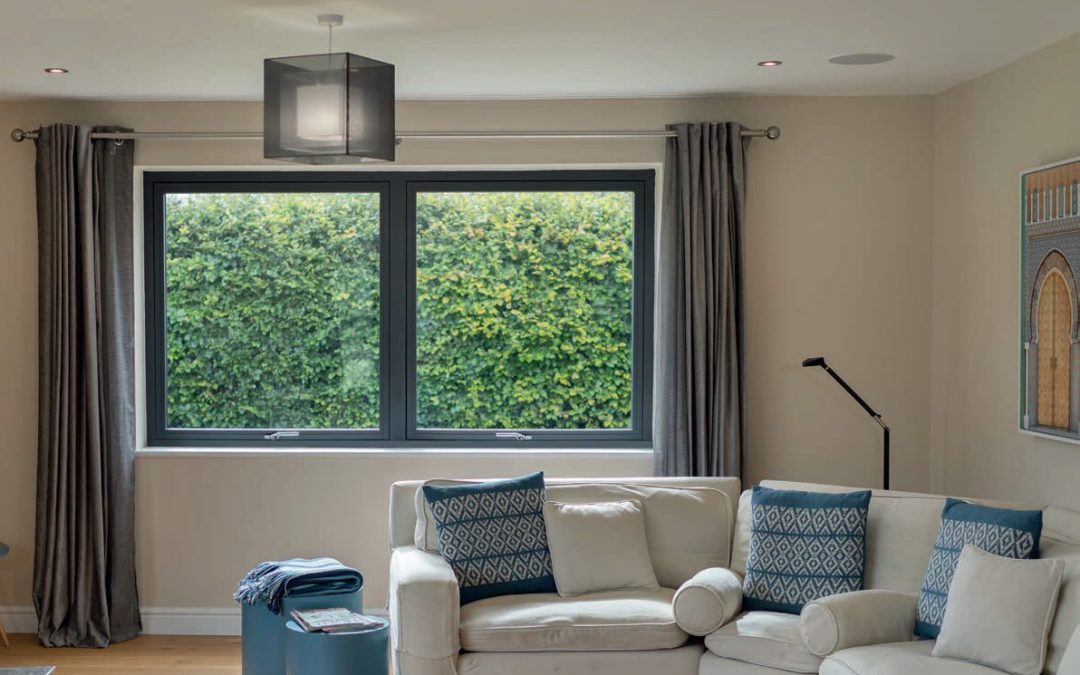
Wantage and Grove offer a broad mix of property styles. Homeowners may be choosing windows for an older cottage close to the historic centre of Wantage, an established family home, a modern house on a newer development or a property on the edge of the surrounding Oxfordshire countryside.
Because the local housing stock is so varied, the right windows for one home may look completely out of place on another.
The most suitable replacement windows should complement the property’s architecture while also meeting practical needs such as energy efficiency, security, ventilation, maintenance and noise reduction.
Homeowners also need to think about the way each room is used. A bedroom window may need to provide a suitable escape opening, while a kitchen window must be easy to operate above a worktop. A bathroom may require privacy glass, and a large living-room window may be designed to maximise daylight.
This guide explains how to choose the right replacement windows for homes in Wantage and Grove.
Understanding the local property styles
Wantage has a long history and includes many traditional buildings, cottages, terraces and period-inspired homes. It also has established residential areas containing properties built at different points throughout the twentieth century.
Grove has expanded considerably and includes a high proportion of modern family houses, newer developments and properties with more contemporary layouts.
Across both locations, homeowners may encounter:
- Period cottages
- Victorian and Edwardian houses
- Traditional terraces
- Post-war family homes
- Bungalows
- Modern detached and semi-detached houses
- Flats and maisonettes
- New-build properties
- Extended and renovated homes
- Rural and village-style properties
The age and design of the building should be one of the first considerations when choosing a window style.
A traditional home may benefit from flush casement or sash-style windows, while a modern Grove property may suit clean uPVC casements, slim aluminium frames or contemporary grey finishes.
When should windows be replaced?
Older windows do not always need complete replacement. Some issues can be resolved by repairing or replacing individual components.
For example, a failed sealed unit, damaged handle, worn hinge or deteriorated gasket may sometimes be replaced without removing the full frame.
Complete window replacement may be more appropriate where there are several problems, including:
- Persistent draughts
- Condensation between the panes
- Damaged or distorted frames
- Rotten timber
- Water entering around the window
- Difficulty opening or closing
- Loose or unreliable locks
- Poor insulation
- Excessive external noise
- Heavy discolouration
- Windows that no longer suit the building
- Repeated repair requirements
A professional survey can help establish whether repair or full replacement provides the more sensible long-term solution.
Choosing windows for period homes in Wantage
Period homes often require a more sensitive approach to window design.
The windows form an important part of the character of older properties, and an unsuitable replacement can alter the appearance of the entire frontage.
Homeowners should pay attention to:
- Frame proportions
- Glazing-bar positions
- The number and size of panes
- Opening directions
- Frame depth
- Sill details
- External colour
- Hardware style
- The relationship between the windows and the surrounding brick, stone or render
Replacement windows do not always have to reproduce every historic feature, but they should respect the visual balance of the property.
Flush casement windows
Flush casement windows are often a strong choice for period-style homes.
When closed, the opening section sits level with the outer frame, creating a flatter appearance than a standard casement window.
This can provide a more traditional look while retaining the benefits of modern glazing, secure locks and low-maintenance frame materials.
Flush casement windows can suit:
- Older cottages
- Victorian-inspired homes
- Traditional brick properties
- Rendered houses
- Country-style homes
- Barn conversions
- Modern properties where clean lines are preferred
They are available in a range of colours and woodgrain finishes, including cream, white, green, grey and timber-inspired tones.
Sliding sash-style windows
Sliding sash windows are associated with Georgian, Victorian and Edwardian architecture.
Modern sash-style windows can offer traditional proportions while including features such as:
- Double glazing
- Improved weather seals
- Secure locking systems
- Sash horns
- Georgian bars
- Easy-cleaning mechanisms
- Low-maintenance finishes
The frame thickness and glazing layout should be chosen carefully. A sash-style window with overly heavy sections can look less appropriate than one designed to reflect the original proportions.
Timber and timber-effect windows
Timber can be an excellent choice for period and historically sensitive properties. It has a natural appearance and can be produced in bespoke shapes, sizes and colours.
It does, however, require regular maintenance to protect it against weathering.
Timber-effect uPVC can provide an alternative for homeowners who want a more traditional appearance with lower maintenance.
Woodgrain textures, heritage colours and flush profiles can help these windows complement older brick, stone and rendered elevations.
Choosing windows for modern homes in Grove
Many properties in Grove have been built or substantially updated more recently.
These homes often suit simpler window layouts and contemporary finishes.
Suitable options may include:
- Standard uPVC casement windows
- Flush casement windows
- Aluminium windows
- Tilt and turn windows
- Large fixed panes
- Dual-colour frames
- Grey, black or neutral finishes
- Coordinated window and door systems
Newer developments often have a consistent external appearance. Before changing the frame colour or window style, homeowners should check whether planning conditions, lease restrictions or estate management rules apply.
Even when formal permission is not required, choosing windows that complement neighbouring properties can help preserve the appearance of the development.
uPVC windows for Wantage and Grove homes
uPVC remains one of the most popular window materials for homes across Oxfordshire.
It is widely chosen because it offers a practical combination of thermal performance, durability and low maintenance.
Benefits can include:
- Good insulation
- A broad range of designs
- Multi-point locking
- Resistance to rot and corrosion
- Easy cleaning
- Different frame colours
- Woodgrain and timber-effect finishes
- Traditional and contemporary options
- Minimal painting or staining
White uPVC is still widely used, but modern systems are available in many other finishes.
Anthracite grey, cream, green, black, light oak and darker woodgrain options can all create a different appearance.
Dual-colour frames also allow homeowners to choose one colour outside and another inside.
Aluminium windows
Aluminium windows are often selected for contemporary homes, extensions and larger openings.
Because aluminium is strong, the frames can be relatively slim while supporting substantial glazed areas.
This can increase the amount of visible glass and create a cleaner appearance.
Aluminium windows may be particularly suitable for:
- Contemporary Grove properties
- Modern extensions
- Kitchen and dining renovations
- Large window openings
- Full-height glazing
- Homes with aluminium bi-fold doors
- Homes with sliding garden doors
- Projects where slim sightlines are important
Modern aluminium systems include thermal breaks that reduce heat transfer through the frame.
Their energy performance varies between products, so homeowners should compare the complete-window specification rather than assuming that all aluminium windows perform in the same way.
Timber windows
Timber windows can suit traditional Wantage homes, village-style properties and projects where natural materials are preferred.
Advantages can include:
- Authentic traditional appearance
- Good natural insulating qualities
- Flexible paint and stain choices
- Suitability for bespoke openings
- Repairability
- Compatibility with many period properties
Timber requires more regular care than uPVC or aluminium.
Frames should be checked for signs of cracking, peeling coatings or moisture damage and refinished when required.
The level of maintenance will depend on the quality of the timber, coatings, exposure and installation.
Standard casement or flush casement windows?
Both styles can provide secure and energy-efficient glazing.
The main difference is visual.
On a standard casement window, the opening sash usually sits proud of the surrounding frame. On a flush casement design, it sits level with the frame when closed.
Standard casement windows may suit:
- Post-war houses
- Established family homes
- Modern developments
- Properties where value and practicality are priorities
- Homes replacing similar existing windows
Flush casement windows may suit:
- Period-inspired homes
- Cottages
- Renovated houses
- Homes with timber-style detailing
- Contemporary properties requiring cleaner lines
- Projects using heritage colours
The right choice depends on the building rather than one style being automatically better.
Matching window proportions
The layout of the new windows is just as important as the material.
A property can look unbalanced when replacement windows introduce different pane sizes, unnecessary glazing bars or opening sections that no longer align.
Before choosing a design, consider:
- The existing window layout
- The original architecture
- The spacing between windows
- The symmetry of the frontage
- The proportions of neighbouring properties
- Whether glazing bars are appropriate
- Which panes need to open
- Whether fixed panes can increase daylight
Where the existing windows are not original, homeowners may wish to look at similar properties nearby to understand how the home may originally have been designed.
Improving energy efficiency
Energy efficiency is one of the main reasons homeowners in Wantage and Grove replace old windows.
Single glazing, failed sealed units and poorly fitted frames can allow heat to escape and cold air to enter.
Modern energy-efficient windows may include:
- Double or triple glazing
- Low-emissivity glass
- Argon gas within the sealed unit
- Warm-edge spacer bars
- Insulated frame chambers
- Improved weather seals
- Thermally broken aluminium profiles
- Effective perimeter insulation
- Accurate installation
The performance of the complete window matters more than the glass alone.
A high-performance glazing unit will not deliver its full benefit if the frame is poorly sealed or the installation leaves gaps around the opening.
Understanding window U-values
A U-value measures the rate at which heat passes through a building element.
For windows, a lower U-value generally indicates better thermal performance.
Homeowners should check whether a quoted U-value relates to:
- The centre pane of glass
- The complete glazing unit
- The complete window, including the frame
The whole-window U-value is normally the most useful figure when comparing products.
Window Energy Ratings may also be available and can help homeowners compare the overall performance of different systems.
Double glazing or triple glazing?
Modern double glazing provides a suitable balance of energy efficiency, weight and cost for many homes in Wantage and Grove.
Triple glazing contains three panes of glass and can offer lower U-values.
It may be worth considering where:
- The property is particularly exposed
- A higher thermal specification is required
- The windows face a cold or shaded direction
- The rest of the home is already well insulated
- The project forms part of a major energy-efficiency upgrade
However, triple glazing is not automatically the best choice for every home.
The additional cost and weight should be considered alongside the likely improvement. High-quality double glazing may provide a more appropriate solution in many properties.
Reducing draughts
Draughts can make rooms feel colder even when the heating is on.
They may be caused by:
- Worn seals
- Distorted frames
- Poorly aligned opening sections
- Damaged hinges
- Gaps between the frame and wall
- Rotten timber
- Failed perimeter sealant
- Poor initial installation
New windows can reduce unwanted air leakage when they are measured and installed correctly.
Controlled ventilation must still be maintained through suitable vents, extractor fans and opening windows.
The aim is to remove uncontrolled draughts rather than create an unventilated home.
Condensation and indoor ventilation
New windows can make the internal surface of the glass warmer, which may reduce condensation caused by cold glazing.
They cannot, however, remove moisture from the indoor air.
Moisture is created by everyday activities such as:
- Cooking
- Showering
- Bathing
- Drying clothes
- Breathing
- Using unvented appliances
- Keeping numerous indoor plants
Modern windows are generally more airtight than older frames. This makes controlled ventilation increasingly important.
Useful measures include:
- Using kitchen and bathroom extractor fans
- Keeping trickle vents open
- Opening windows regularly
- Maintaining steady heating
- Avoiding drying large amounts of washing indoors
- Leaving airflow around large furniture
- Using mechanical ventilation where installed
Condensation between the glass panes normally indicates failure of the sealed unit.
External condensation can occasionally occur on highly efficient glazing because less heat is escaping through the window.
Improving window security
Modern replacement windows can offer substantial security improvements over old or damaged frames.
Features may include:
- Multi-point locking
- Locking handles
- Strong hinges
- Reinforced frames
- Secure glass retention
- Internal glazing
- Laminated glass options
- Additional protection at vulnerable opening points
Ground-floor windows require particular attention, as do windows near:
- Flat roofs
- Garages
- Extensions
- Drainpipes
- Side passages
- Low garden walls
- Easily accessible outbuildings
Security should be considered as a complete system involving the frame, glass, locks, hinges and installation.
Security and fire escape
Some windows must provide a suitable means of escape.
This commonly affects bedrooms and other habitable rooms where Building Regulations requirements apply.
The design may need to provide:
- A sufficiently large clear opening
- Suitable opening width and height
- An accessible handle
- An appropriate sill position
- A window that can be opened quickly
A replacement window that looks similar to the old one may not necessarily provide the same escape opening.
This should be checked during the survey.
Safety glass
Safety glazing may be required where the risk of accidental impact is higher.
This can include glazing:
- In doors
- Beside doors
- Close to the floor
- In full-height windows
- In bathrooms
- Around entrances
- In areas used by children
Toughened or laminated glass may be specified depending on the location.
A professional survey should identify where safety glazing is needed.
Reducing external noise
Homes in Wantage and Grove may be affected by traffic, nearby development, busy residential roads or general neighbourhood noise.
Replacing single glazing or damaged windows can help reduce the amount of sound entering the property.
Noise performance depends on several factors, including:
- Glass thickness
- The use of different pane thicknesses
- The sealed cavity width
- Laminated acoustic glass
- Frame seals
- Trickle vents
- Installation quality
- Noise entering through walls, roofs and doors
Standard double glazing is not the same as specialist acoustic glazing.
Where noise reduction is an important priority, the source and type of sound should be considered before the windows are ordered.
Choosing window colours
Window colour can transform the appearance of a property.
Common choices include:
- White
- Cream
- Anthracite grey
- Black
- Green
- Light oak
- Dark woodgrain
- Dual-colour finishes
Traditional Wantage homes may suit cream, green, white woodgrain or natural timber-style finishes.
Modern Grove properties may suit white, grey or black frames, particularly when coordinated with the front door, guttering or garage door.
Before choosing a colour, consider:
- Brickwork
- Stonework
- Render
- Roof tiles
- Fascias and soffits
- Doors
- Neighbouring homes
- Planning restrictions
- The internal décor
A fashionable colour should still complement the building over the long term.
Dual-colour windows
Dual-colour frames allow one finish to be used externally and another internally.
For example, a homeowner may choose anthracite grey outside and white inside.
This can be useful where the exterior requires a contemporary finish but the internal rooms suit a lighter colour.
It can also help where different rooms have varied decorative schemes.
Exact colour matches between different materials and manufacturers are not always possible, so physical samples should be compared before ordering.
Maximising natural light
Older replacement windows can sometimes have wide frames or unnecessary divisions that reduce daylight.
A new window design may increase the visible glass area by:
- Using slimmer frames
- Reducing unnecessary glazing bars
- Creating larger fixed panes
- Simplifying the window layout
- Choosing aluminium for large openings
- Using lighter internal finishes
- Combining fixed and opening sections effectively
Larger fixed panes can create clearer views, but they do not provide ventilation or emergency escape.
The layout should balance daylight with practical requirements.
Choosing windows for different rooms
Each room may benefit from a different window arrangement.
Living rooms
Living rooms often suit larger glazed areas, bay windows or combinations of fixed and opening sections.
The design should balance daylight, ventilation and furniture placement.
Bedrooms
Bedroom windows may need to provide ventilation, security and a suitable emergency escape opening.
Restrictors can be considered for children’s rooms or upper-floor windows.
Kitchens
Kitchen windows should be easy to operate around sinks, worktops and taps.
Top-hung openings can be practical where a side-opening sash would be obstructed.
Bathrooms
Bathroom windows usually require privacy glass and reliable ventilation.
The frame finish should also be suitable for a humid environment.
Home offices
Home offices may benefit from natural light, acoustic glazing and controlled ventilation.
Glare and overheating should also be considered, especially on south- or west-facing elevations.
Stairwells and landings
Fixed or high-level windows can bring light into darker areas.
Safe access for cleaning should be considered.
Bay and bow windows
Bay and bow windows can add space, daylight and character.
Replacement requires careful surveying because some bay windows support part of the structure above.
Important considerations include:
- Structural support
- Roof condition
- Insulation
- Drainage
- Frame alignment
- Internal window boards
- External trims
- Weather sealing
The structural requirements should be confirmed before the existing windows are removed.
Windows for extensions
Extensions often use larger windows to create brighter, more open living spaces.
Possible options include:
- Aluminium casement windows
- Large fixed panes
- Corner glazing
- Full-height windows
- High-level windows
- Flush casement windows
- Windows alongside bi-fold doors
- Coordinated sliding-door systems
Orientation is important.
Large areas of south- or west-facing glazing may increase summer heat gain. Solar-control glass, shading and ventilation may need to be considered.
Coordinating windows and doors
Replacing windows can be an opportunity to create a more consistent exterior.
They can be coordinated with:
- Composite front doors
- uPVC entrance doors
- Aluminium doors
- French doors
- Sliding patio doors
- Bi-fold doors
- Garage doors
- Fascias and soffits
The colour, frame style, glass and hardware should all be considered.
An exact colour match is not always possible where products use different materials or coatings, so samples should be viewed together.
Planning permission considerations
Many like-for-like window replacements on ordinary houses do not require planning permission.
Additional restrictions may apply when:
- The building is listed
- The property is in a conservation area
- An Article 4 Direction applies
- The home is a flat
- The property is leasehold
- A new opening is being created
- An opening is being enlarged
- The frame material or colour is changing substantially
- Previous planning conditions apply
- Estate management rules control the appearance
Listed building consent is separate from planning permission and may be required for changes to a listed property.
Homeowners should check the position for their individual address before ordering windows.
Building Regulations and FENSA
Replacement windows must normally meet relevant Building Regulations.
These may cover:
- Thermal efficiency
- Ventilation
- Safety glazing
- Means of escape
- Structural support
- Weather resistance
- Installation standards
A FENSA-accredited installer can self-certify qualifying replacement window work and register the installation.
The homeowner should receive certification after completion.
This paperwork may be required when the property is sold.
What happens during a window survey?
An accurate survey is essential because replacement windows are usually manufactured to fit the individual openings.
The surveyor may assess:
- Opening dimensions
- Wall construction
- Existing frame condition
- Bay-window support
- Safety glass locations
- Escape requirements
- Ventilation
- Access
- Internal finishes
- Window boards
- Signs of damp
- Drainage
- Opening directions
Any unusual structural or access issues should be identified before manufacture.
What happens during installation?
The installation team will normally protect the working area before carefully removing the existing frames.
The process may include:
- Removing old glass and frames
- Inspecting the opening
- Preparing the surrounding area
- Installing the new frame
- Fitting the glass
- Adjusting locks and hinges
- Sealing the perimeter
- Completing trims or making good
- Cleaning the work area
- Demonstrating window operation
The exact process will depend on the property and condition of the opening.
Experienced installers should minimise disruption and leave the windows operating correctly.
Maintaining replacement windows
uPVC and aluminium windows require relatively little maintenance, but occasional care can help preserve their appearance and operation.
Homeowners should:
- Clean frames with appropriate products
- Avoid abrasive cleaners
- Keep drainage channels clear
- Remove dirt from tracks
- Check seals and gaskets
- Operate opening sections regularly
- Follow lubrication guidance
- Report stiff handles or hinges promptly
Timber windows require periodic inspection and refinishing.
The manufacturer’s maintenance guidance should be followed to protect the guarantee.
Replacement windows from Isis Windows
Isis Windows has been installing double-glazed windows and replacement doors in Wantage, Grove and across Oxfordshire since 1997.
We offer a wide range of window styles, materials, colours and glazing options for period homes, established family properties, modern developments and extensions.
Our team provides practical advice without pushy sales tactics, helping homeowners choose windows that suit the architecture of their property and their everyday needs.
Our experienced installers work carefully and courteously, with the aim of keeping disruption to a minimum.
Isis Windows is FENSA accredited, and our windows and doors are covered by a 10-year guarantee for additional peace of mind.
Frequently asked questions about windows in Wantage and Grove
What are the best windows for a Wantage home?
The best choice depends on the property. Flush casement, sash-style and timber-effect windows can suit period homes, while standard uPVC casements and aluminium windows can suit more modern properties.
Which windows are suitable for homes in Grove?
Many Grove homes suit practical uPVC casements, flush casements or contemporary aluminium windows. The colour and layout should complement the development and surrounding properties.
Are uPVC windows suitable for older properties?
Yes, when the design is chosen carefully. Flush casement, sash-style and woodgrain uPVC windows can provide a more traditional appearance than standard white frames.
Are aluminium windows energy efficient?
Modern aluminium windows include thermal breaks that reduce heat transfer. Their performance varies between systems, so the whole-window U-value should be checked.
Should I choose double or triple glazing?
High-quality double glazing is suitable for many homes. Triple glazing may offer stronger thermal performance, but the additional cost, weight and expected benefit should be considered.
Will replacement windows make my home warmer?
Energy-efficient windows can reduce draughts and heat loss, particularly when replacing single glazing, failed units or poorly fitting frames.
Can new windows reduce traffic noise?
They may help, especially when replacing damaged or single-glazed windows. Specialist acoustic glass may be considered where noise is a major concern.
Will new windows stop condensation?
They may reduce condensation caused by cold glass, but they cannot remove moisture from the air. Suitable heating and ventilation are still needed.
Can I have grey frames outside and white frames inside?
Yes. Many modern window systems are available with dual-colour frames.
Do replacement windows need trickle vents?
Trickle vents may be required depending on the property and the existing ventilation arrangements. This should be assessed during the survey.
Do I need planning permission for replacement windows?
Many like-for-like replacements do not require planning permission. Restrictions may apply to listed buildings, conservation area properties, flats, leasehold homes and properties subject to planning conditions.
Can I change the layout of my windows?
Often, yes. However, ventilation, security, safety glazing and escape requirements must still be met.
Are new windows more secure?
Modern windows can include multi-point locking, locking handles, reinforced frames and secure glazing. Correct installation is also essential.
Does FENSA certification replace planning permission?
No. FENSA certification relates to Building Regulations compliance for qualifying installations. It does not replace planning permission, listed building consent or freeholder approval.
How long are Isis Windows products guaranteed?
Isis Windows provides a 10-year guarantee on its windows and doors.
How can I arrange a quotation in Wantage or Grove?
Homeowners can contact Isis Windows to discuss their property and arrange a free, no-obligation quotation for replacement windows, doors or both.