
Didcot has experienced considerable residential growth, creating a varied local housing market that includes established family homes, post-war properties, modern estates, new developments and contemporary extensions.
This mixture of property styles gives homeowners a wide range of options when choosing replacement windows. Some homes benefit from practical, low-maintenance uPVC casements, while others suit slim aluminium frames, flush designs or larger areas of glass.
The best window solution should complement the appearance of the property while improving comfort, security and energy efficiency. It should also suit the way the household uses each room.
This guide explores some of the most suitable modern window solutions for homes in Didcot and explains what to consider before replacing existing windows.
What makes a window solution modern?
Modern windows are not defined by appearance alone. Contemporary window systems combine practical performance with clean design and flexible configuration options.
A modern replacement window may offer:
- Improved thermal efficiency
- Secure multi-point locking
- Low-maintenance frame materials
- Slimmer sightlines
- Larger glazed areas
- A choice of colours and finishes
- Controlled ventilation
- Improved weather sealing
- Easier operation and cleaning
- Greater design flexibility
For many Didcot homeowners, the aim is to replace old or inefficient windows without making the property look overly different from neighbouring homes.
Others may want to create a more distinctive appearance, particularly when renovating a property or adding a modern extension.
Choosing windows for modern Didcot developments
Newer housing developments often have a clean, coordinated appearance. Window proportions, frame colours and opening styles may be repeated across several homes.
When replacing windows on a modern development, it is worth considering how the new design will fit with the overall appearance of the property and surrounding houses.
A replacement that closely follows the original window style may help maintain visual consistency. However, modern window systems can still offer substantial improvements in insulation, security and ease of use.
Suitable options may include:
- uPVC casement windows
- Flush casement windows
- Slim-profile aluminium windows
- Tilt and turn windows
- Fixed glazing combined with opening sections
- Dual-colour frames
- Contemporary grey or black finishes
Before making a noticeable change to the external appearance, homeowners should check whether any planning conditions, leasehold restrictions or estate management rules apply.
Replacement windows for established Didcot homes
Didcot also has many older family homes, including properties built during different stages of the town’s development.
These homes may have windows that have already been replaced once or more. In some cases, older double glazing may now be showing signs of age.
Common issues can include:
- Failed sealed glazing units
- Draughts around the frames
- Discoloured or brittle uPVC
- Worn hinges and handles
- Windows that no longer close correctly
- Poor ventilation
- Outdated locking systems
- Excessively wide frames that reduce natural light
Replacing older windows gives homeowners an opportunity to improve both performance and appearance.
A modern system may provide cleaner lines, warmer rooms, improved security and more practical opening arrangements.
uPVC windows for Didcot properties
uPVC remains one of the most widely used window materials in the UK. It can suit modern developments, established family homes and renovated properties.
Its popularity is largely due to its balance of energy efficiency, durability and low maintenance.
Benefits of modern uPVC windows can include:
- Good thermal performance
- A broad choice of frame styles
- Multi-point locking systems
- Minimal maintenance
- Resistance to rot and corrosion
- A range of colours and woodgrain finishes
- Suitable options for both traditional and modern homes
White uPVC remains a practical choice, but homeowners are no longer limited to a single colour.
Grey, black, cream and timber-effect finishes can help create a more individual appearance. Dual-colour frames also allow a different finish to be used inside the property.
Flush casement windows
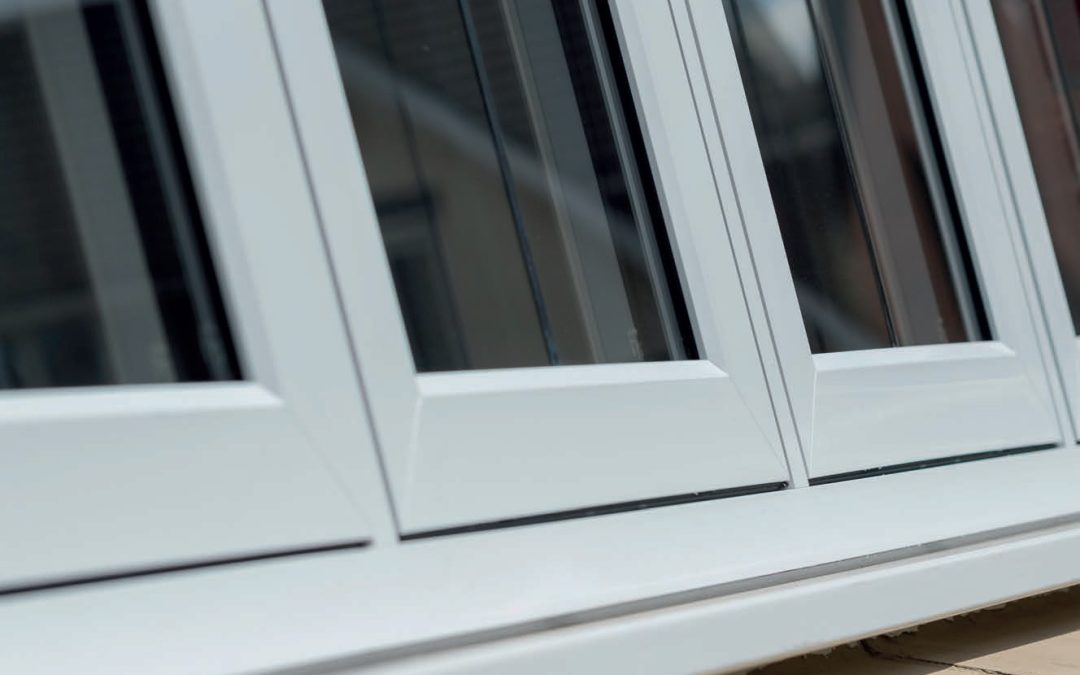
Flush casement windows have become a popular choice for homeowners who prefer a cleaner and more refined appearance.
When closed, the opening sash sits level with the surrounding frame. This creates a flatter profile than a standard casement window.
Flush casements can work well on both modern and traditional properties. On contemporary homes, they provide a simple and streamlined look. On older properties, they can offer a more timber-inspired appearance.
They may be particularly suitable for:
- Modernised family homes
- New developments
- Period-style properties
- Renovation projects
- Homes using darker frame colours
- Properties where neat external lines are important
The choice of glazing bars, handles, frame colour and glass can all influence the final appearance.
Aluminium windows for a contemporary finish
Aluminium windows are often chosen for modern homes and extensions because of their slim frames and clean appearance.
The strength of aluminium allows manufacturers to create relatively narrow profiles while supporting larger glazed areas.
This can make aluminium especially suitable for rooms where natural light and open views are important.
Potential benefits include:
- Slim sightlines
- A contemporary appearance
- Strong and durable frames
- Large colour choice
- Suitability for bigger openings
- Coordination with aluminium bi-fold or sliding doors
- Low maintenance requirements
Modern aluminium windows include thermal breaks within the frame to reduce heat transfer.
They can work particularly well in kitchen extensions, open-plan living areas and homes where the windows need to complement dark-coloured doors or architectural details.
Should you choose uPVC or aluminium?
The right choice depends on the property, budget, preferred appearance and size of the window openings.
uPVC may suit homeowners looking for:
- Strong thermal performance
- Good value
- A broad choice of styles
- Traditional or contemporary finishes
- Minimal ongoing maintenance
Aluminium may suit homeowners looking for:
- Slimmer frames
- Larger glazed areas
- A sharper contemporary appearance
- Coordination with modern doors
- Dark or distinctive frame colours
Both materials can provide secure, energy-efficient windows when they are correctly specified and professionally installed.
Maximising natural light
Natural light is an important consideration in many modern homes.
Older replacement windows sometimes have wide frames, additional transoms or unnecessary divisions that reduce the visible glass area. Changing the window configuration may allow more light into the room.
Ways to increase natural light can include:
- Choosing slimmer frames
- Reducing unnecessary glazing bars
- Using larger fixed panes
- Combining fixed and opening sections
- Selecting aluminium for larger openings
- Using lighter internal frame colours
- Improving the proportions of the window design
The need for ventilation and safe escape openings should always be considered alongside appearance.
A fixed pane may provide a clearer view, but it cannot offer ventilation or act as an emergency exit.
Choosing the right window style
Different rooms may require different opening arrangements.
Casement windows
Casement windows are hinged at the side or top and remain a versatile choice for many Didcot homes.
They can be configured in several ways, making them suitable for bedrooms, living rooms, kitchens and home offices.
Tilt and turn windows
Tilt and turn windows can tilt inwards from the top for ventilation or open fully into the room.
They are often used in modern properties and can provide easy access to the outside of the glass for cleaning.
Because they open inwards, the available room space and position of curtains or blinds should be considered.
Fixed windows
Fixed windows do not open. They can provide uninterrupted views and larger glazed areas.
They are often combined with opening windows to balance natural light and ventilation.
Bay and bow windows
Bay and bow windows can create additional space and bring more light into the room.
When replacing an existing bay window, structural support must be assessed carefully. The new window system should preserve the shape of the feature and provide suitable support for the building above.
Top-opening windows
Top-opening windows can provide practical ventilation while keeping the lower part of the window closed.
They may be useful in kitchens, bathrooms and rooms where wall space or furniture affects access.
Energy-efficient double glazing for Didcot homes
Improving energy efficiency is one of the main reasons homeowners replace their windows.
Older single glazing and early double-glazed units may allow more heat to escape than current window systems. Damaged seals, gaps around the frame and poor installation can also contribute to draughts.
Modern double glazing may include:
- Low-emissivity glass
- Argon gas between the panes
- Warm-edge spacer bars
- Insulated frame chambers
- Improved seals
- Thermally efficient glass coatings
The performance of the entire window should be considered, rather than looking at the glass alone.
Frame construction, installation quality, ventilation and window size all influence overall efficiency.
Could triple glazing be suitable?
Triple glazing contains three panes of glass rather than two.
It can provide improved thermal performance and may be worth considering in particularly exposed rooms or where a higher specification is preferred.
However, triple glazing is not automatically the best option for every property.
Points to consider include:
- The existing insulation level of the home
- The orientation of the windows
- The additional weight of the glazed units
- The cost difference
- The frame system
- The level of improvement required
- Ventilation and condensation control
Good-quality double glazing may provide a suitable balance of performance and value for many Didcot homes.
Reducing outside noise
Some homes in Didcot may be affected by road traffic, railway noise or everyday activity from nearby residential areas.
Replacing old or poorly sealed windows may help reduce external noise, especially where the current frames have gaps or failed seals.
The level of noise reduction can depend on:
- The thickness of the glass
- Whether different pane thicknesses are used
- The space between the panes
- The quality of the seals
- The frame design
- The installation standard
- The use of laminated acoustic glass
Standard double glazing is not the same as specialist acoustic glazing. Where noise reduction is a priority, this should be discussed before the windows are ordered.
It is also worth remembering that sound may enter through doors, walls, vents and roof spaces.
Improving home security
Modern windows can provide a significant security improvement over older or poorly maintained frames.
Features may include:
- Multi-point locking
- Locking handles
- Strong hinges
- Reinforced frames
- Internal glazing
- Secure glass retention
- Additional protection around vulnerable opening points
Ground-floor windows and those near flat roofs, extensions or accessible areas may need particular attention.
Window security should also be balanced with fire escape requirements. Certain bedrooms and habitable rooms may need suitable escape openings.
Ventilation in modern homes
New windows are generally more airtight than older frames. This helps reduce heat loss and draughts but also makes controlled ventilation more important.
Without adequate airflow, moisture from cooking, washing, drying clothes and breathing can build up inside the home.
This may contribute to condensation and poor indoor air quality.
Ventilation measures can include:
- Trickle vents
- Extractor fans
- Opening windows regularly
- Purge ventilation
- Mechanical ventilation systems
- Suitable window opening configurations
The correct approach will depend on the property and current Building Regulations requirements.
Trickle vents should not be removed or omitted without checking whether they are needed.
Window colours for modern Didcot homes
Colour can significantly change the appearance of a property.
Popular modern choices include:
- White
- Anthracite grey
- Black
- Cream
- Dark green
- Timber-effect finishes
Grey and black frames can create a contemporary look, particularly when coordinated with doors, guttering or roof details.
However, darker colours may not suit every property. The brickwork, render, roof, neighbouring homes and overall architectural style should all be considered.
Dual-colour frames can provide additional flexibility. A dark colour can be used outside while the inside remains white or another neutral shade.
Coordinating windows and doors
Replacing windows can be an opportunity to create a more consistent exterior.
Window frames can often be coordinated with:
- Composite front doors
- uPVC entrance doors
- Aluminium bi-fold doors
- Sliding patio doors
- French doors
- Fascias and soffits
- Garage doors
An exact colour match may not always be possible when different materials or manufacturers are used. Samples should be compared before final decisions are made.
The frame style is also important. Slim aluminium windows may pair naturally with aluminium sliding doors, while flush uPVC windows can coordinate well with a modern composite entrance door.
Modern windows for home extensions
Extensions often use larger windows and doors to create brighter, more open living spaces.
Suitable options may include:
- Aluminium windows
- Large fixed panes
- Corner windows
- High-level glazing
- Windows positioned beside bi-fold or sliding doors
- Slim casement windows
- Full-height glazed sections
The window design should be considered alongside the orientation of the extension.
Large areas of south- or west-facing glass may increase solar heat gain during warmer weather. Glass specification, shading and ventilation should therefore be discussed during the design stage.
Privacy glazing
Some windows need to provide natural light while protecting privacy.
Obscure or decorative glass may be suitable for:
- Bathrooms
- Cloakrooms
- Side-facing windows
- Entrance areas
- Stairwells
- Windows overlooking neighbouring homes
Different privacy levels and patterns are available.
Side-facing windows may also be subject to planning conditions, particularly where they could overlook another property.
Safety glazing
Safety glass may be required in locations where there is a greater risk of accidental impact.
This can include:
- Low-level windows
- Glazing in doors
- Windows next to doors
- Full-height glazed panels
- Certain bathroom locations
Toughened or laminated glass may be specified depending on the position and use of the window.
A professional survey should identify where safety glazing is required.
Do new windows need planning permission in Didcot?
Many like-for-like replacement window projects do not require planning permission, particularly on ordinary houses where the new windows are similar to those being removed.
Different rules may apply when:
- The property is listed
- The home is in a conservation area
- The building is a flat
- A new window opening is being created
- The size of an opening is changing
- The property is subject to planning conditions
- Permitted development rights have been restricted
- The external appearance is changing significantly
Leasehold properties and homes managed by an estate company may also require additional approval.
Property-specific checks should be completed before windows are ordered.
Building Regulations and FENSA
Replacement windows must normally comply with relevant Building Regulations.
These cover areas such as:
- Thermal efficiency
- Ventilation
- Safety glazing
- Means of escape
- Structural safety
- Weather resistance
Using a FENSA-accredited installer provides a straightforward route to certification for qualifying replacement window installations.
The homeowner should receive documentation confirming that the installation has been registered.
This paperwork may be requested when the property is sold.
How to know when windows need replacing
Windows may need attention when they show signs such as:
- Condensation between the panes
- Persistent draughts
- Difficulty opening or closing
- Damaged locks or handles
- Warped or deteriorating frames
- Water entering around the window
- Excessive outside noise
- Noticeable cold areas near the glass
- Poorly fitting seals
Not every problem requires complete replacement.
A failed sealed unit, handle or hinge can sometimes be replaced separately. A professional assessment can help establish whether repair or replacement is the more appropriate option.
What happens during a window survey?
A detailed survey should take place before the windows are manufactured.
The surveyor will normally assess:
- The size of each opening
- The condition of the surrounding structure
- The required opening styles
- Ventilation needs
- Safety glass locations
- Escape window requirements
- Access for installation
- Internal and external finishes
- Structural support around bays
- Any visible signs of moisture or damage
Accurate surveying helps reduce the risk of delays and ensures that the windows are made to suit the property.
How long does window installation take?
The installation time depends on the number, size and complexity of the windows.
A smaller replacement project may be completed relatively quickly, while a full house or a property with large bays and unusual openings will take longer.
Weather, access and the condition of the existing frames can also affect the schedule.
Installers should protect the working areas, remove the old frames carefully and minimise disruption wherever possible.
Looking after modern windows
Modern uPVC and aluminium windows require relatively little maintenance, but occasional care can help keep them operating correctly.
Homeowners should:
- Clean frames with suitable non-abrasive products
- Keep drainage channels clear
- Remove dirt from seals
- Operate opening windows regularly
- Check handles and hinges
- Follow guidance on lubrication
- Avoid painting or drilling frames
- Report problems before they become more serious
Timber windows require additional maintenance, including periodic checking and refinishing.
Modern replacement windows from Isis Windows
Isis Windows has been supplying and installing double-glazed windows and replacement doors across Didcot and Oxfordshire since 1997.
We offer a wide range of window styles, frame colours and glazing options for modern developments, established family homes and extension projects.
Our experienced team provides practical advice without pushy sales tactics, helping homeowners choose products that suit both their property and everyday needs.
Our installers have more than 25 years of experience and work carefully to minimise disruption during fitting.
Isis Windows is FENSA accredited, and our windows and doors are covered by a 10-year guarantee for additional peace of mind.
Frequently asked questions about modern windows in Didcot
What are the best modern windows for a Didcot home?
The best choice depends on the age and design of the property. uPVC casements offer a practical and energy-efficient solution, while flush casements and aluminium windows can provide a cleaner contemporary appearance.
Are aluminium windows better than uPVC?
Neither material is automatically better. Aluminium offers slimmer frames and a distinctive modern appearance, while uPVC can provide strong thermal performance and good value. The right choice depends on the property, budget and preferred design.
Are grey windows still popular?
Grey windows remain a popular choice for modern homes and extensions. However, homeowners should consider whether the colour complements the brickwork, render, roof and neighbouring properties.
Can I have grey windows outside and white inside?
Yes. Many window systems are available with dual-colour frames, allowing a darker external finish and a lighter internal colour.
Will new windows make my home warmer?
Well-fitted, energy-efficient windows can reduce draughts and heat loss, particularly when replacing single glazing or older double glazing. The overall improvement will also depend on insulation, heating and ventilation elsewhere in the home.
Can modern windows reduce traffic noise?
They may help, particularly where the existing windows are poorly sealed. For more demanding locations, acoustic glazing may be worth considering.
Do I need triple glazing?
Not necessarily. High-quality double glazing is suitable for many homes. Triple glazing may be considered where a higher thermal specification is required, but cost, weight and overall property performance should also be assessed.
Can I change the window layout?
In many cases, the arrangement of fixed and opening sections can be changed. Building Regulations, ventilation, security and escape requirements must still be met.
Do replacement windows need trickle vents?
Trickle vents may be required depending on the property and existing ventilation arrangements. This should be assessed during the survey.
Do I need planning permission for replacement windows?
Many like-for-like replacements do not need planning permission. Additional restrictions can apply to listed buildings, conservation areas, flats, leasehold properties and homes with specific planning conditions.
How long are Isis Windows products guaranteed?
Isis Windows provides a 10-year guarantee on its windows and doors.
How can I arrange a quotation for windows in Didcot?
Homeowners can contact Isis Windows to discuss their requirements and arrange a free, no-obligation quotation for replacement windows, doors or both.