
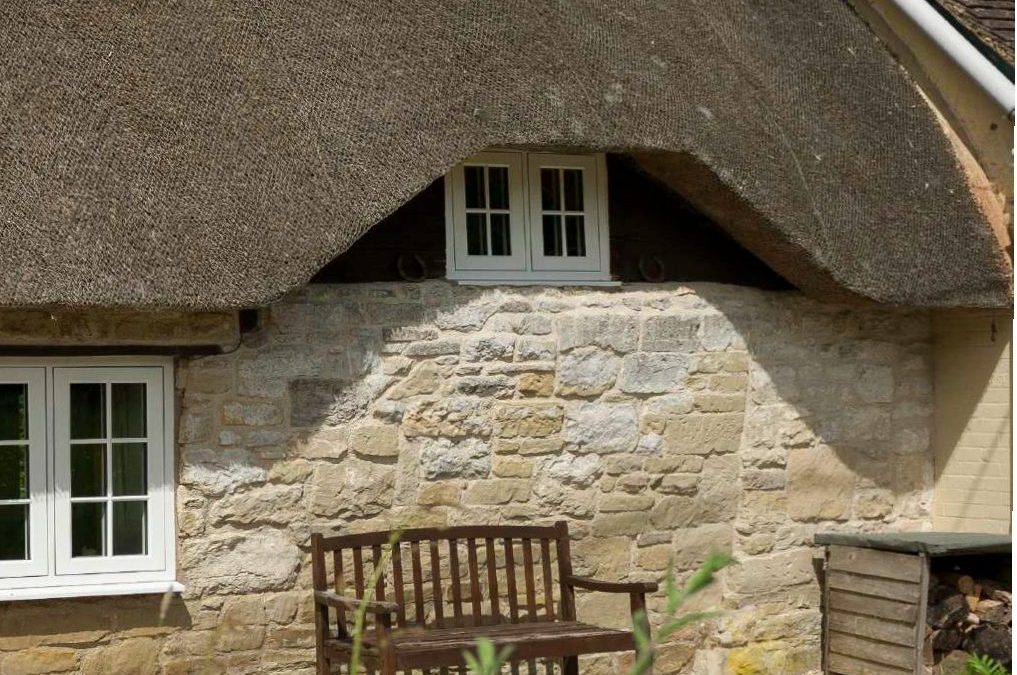
Abingdon is home to an unusually varied collection of properties. Historic cottages, Georgian and Victorian houses, post-war family homes, modern developments and properties close to the River Thames can all be found within the town and surrounding villages.
That variety means there is no single type of replacement window that will suit every Abingdon home. The most appropriate choice will depend on the age and architectural character of the property, its location, the condition of the existing windows and the homeowner’s priorities.
For some households, the main objective will be improving warmth and reducing draughts. Others may be more concerned about preserving traditional character, reducing outside noise, increasing security or choosing windows that require less ongoing maintenance.
This guide explains the main points to consider when planning window replacement in Abingdon, with particular attention given to period properties and homes near the river.
When should windows be replaced?
Windows do not necessarily need replacing simply because they are old. Some older windows can be repaired, resealed or refurbished, particularly where the frames remain structurally sound.
However, replacement may be worth considering when windows regularly cause problems such as:
- Persistent draughts around the frames
- Condensation trapped between the panes
- Rotten, damaged or distorted frames
- Windows that are difficult to open or close
- Loose handles, hinges or locking mechanisms
- Noticeable outside noise entering the home
- High levels of heat loss during colder weather
- Water entering around the window frame
- Windows that no longer match the appearance of the property
Misted glazing is normally a sign that the sealed unit has failed. In some circumstances, the glass unit can be replaced without changing the complete frame. Where the frame itself is damaged, poorly fitted or no longer performing effectively, full window replacement may provide a more reliable long-term solution.
Choosing replacement windows for period homes in Abingdon
Abingdon has many homes with traditional architectural details. These can include older cottages, town-centre properties, Victorian terraces, Georgian-style houses and homes with stone, brick or rendered elevations.
When replacing windows in a period home, it is important to consider more than energy efficiency alone. Window proportions, frame thickness, glazing patterns and opening styles can all affect the appearance of the building.
Unsympathetic replacement windows can look noticeably out of place, particularly where the original windows formed an important part of the property’s character.
Preserve the original proportions
Traditional windows were often designed with carefully balanced proportions. The position of glazing bars, the size of each pane and the relationship between opening and fixed sections can influence the overall appearance of the frontage.
Modern replacement windows can usually be configured to follow these original proportions. Before ordering new windows, it is sensible to examine neighbouring properties and any surviving original features.
Details worth considering include:
- The number and position of glazing bars
- Whether windows are vertically or horizontally proportioned
- The depth and shape of the frames
- The position of opening sections
- The colour of the frames
- The style of handles and other hardware
- Whether the glass sits flush or is slightly recessed
A well-designed replacement should complement the building rather than appear to have been added without reference to its age or style.
Consider flush casement windows
Flush casement windows are a popular option for period-style properties because the opening section sits level with the outer frame when closed.
This creates a cleaner and more traditional appearance than some standard uPVC window designs, where the opening sash projects beyond the frame.
Flush casement windows can be particularly suitable for:
- Country-style homes
- Older cottages
- Victorian and Edwardian properties
- Traditional brick or stone houses
- Homes where a timber-inspired appearance is preferred
They can provide the appearance of a traditional window while offering the practical advantages associated with modern materials and double glazing.
Timber-effect finishes
Homeowners who like the appearance of painted or stained timber but would prefer a lower-maintenance product may wish to consider timber-effect uPVC windows.
These are available in a range of colours, including softer heritage shades and woodgrain finishes. Depending on the property, suitable options may include cream, white, grey, green or a natural wood-style colour.
Dual-colour frames are also available. These allow one colour to be used externally and another internally. For example, the outside of the window could complement traditional brickwork while the inside remains white to suit the interior decoration.
Sliding sash windows
Sliding sash windows are closely associated with Georgian, Victorian and Edwardian architecture. They open vertically and can help preserve the traditional character of a period property.
Modern sash-style windows can be manufactured with double glazing, secure locking systems and improved weather sealing. They may also incorporate features such as sash horns and Georgian bars to recreate the appearance of older timber windows.
Where original sash windows remain in place, homeowners should first consider whether restoration is practical. Where replacement is necessary, careful attention should be given to the frame dimensions and glazing pattern.
Do you need permission to replace windows in Abingdon?
Many window replacements can be completed without a separate planning application, particularly when the new windows are similar in appearance to those being removed.
However, additional restrictions can apply to listed buildings, homes in conservation areas and properties subject to specific planning conditions.
Abingdon contains historically important streets and buildings, so homeowners should not assume that every style of replacement window will automatically be acceptable.
Before changing the material, colour, opening style or glazing pattern of windows in a sensitive location, it is advisable to check with the relevant local planning authority. Listed building consent may be required for alterations that affect the character of a listed property.
Building Regulations must also be considered. Using a FENSA-accredited installer provides reassurance that qualifying replacement window installations will be registered and certified correctly.
Window replacement for riverside homes
Homes close to the River Thames and other watercourses around Abingdon can face different environmental conditions from properties in more sheltered locations.
Being close to water does not automatically mean a home will experience window problems. However, higher levels of moisture, exposed positions and changing weather conditions can make reliable installation and ventilation especially important.
Moisture and condensation
Condensation forms when warm, moisture-rich air comes into contact with a colder surface. It is often most noticeable on bedroom and bathroom windows during winter.
Modern double glazing can make a home warmer and more airtight. This is beneficial for comfort and energy efficiency, but everyday moisture still needs a way to escape.
Useful measures can include:
- Using extractor fans in bathrooms and kitchens
- Opening windows regularly when conditions allow
- Keeping trickle vents open where fitted
- Avoiding drying large amounts of washing indoors
- Maintaining a steady indoor temperature
- Ensuring furniture does not block ventilation routes
Condensation on the room-facing surface of the glass is not normally evidence that the window has failed. Condensation between the panes, however, usually indicates a problem with the sealed glazing unit.
Weather resistance
For homes in exposed or riverside positions, the quality of the window installation is just as important as the window itself.
Frames should be measured accurately, fixed correctly and properly sealed around the perimeter. Poorly fitted windows may allow draughts or water to enter, even when the product itself is of a good standard.
Drainage channels within the frame must also remain clear so that rainwater can be directed safely away from the window.
Ventilation and security
Riverside homeowners may want to ventilate rooms without leaving windows fully open. Suitable opening configurations, restrictors and secure night-vent positions can help provide controlled airflow.
The exact options will depend on the window system and the needs of the household. Homes with young children, pets or easily accessible ground-floor windows may require additional consideration.
Which window materials are suitable for Abingdon homes?
The three principal materials used for residential replacement windows are uPVC, aluminium and timber. Each has its own appearance, maintenance requirements and practical advantages.
uPVC windows
uPVC is widely used for replacement windows because it is durable, energy efficient and relatively easy to maintain.
It can be suitable for many types of Abingdon property, from modern family homes to older houses where an appropriate frame design and finish are chosen.
Benefits can include:
- Good thermal performance
- A wide range of styles and colours
- Minimal painting or staining
- Multi-point locking systems
- Straightforward cleaning
- Traditional and contemporary design options
Standard casement windows remain a popular choice, while flush casement and sash-style designs can provide a more sympathetic appearance for period homes.
Aluminium windows
Aluminium windows are often selected for contemporary properties, modern extensions and homes where larger areas of glass are required.
Because aluminium is strong, the frames can often be made slimmer than some alternative materials. This can produce a clean appearance and allow more natural light into the room.
Aluminium may be particularly suitable for:
- Contemporary houses
- Modern extensions
- Large window openings
- Homes with aluminium bi-fold or sliding doors
- Projects requiring dark or strongly contrasting frame colours
Modern aluminium windows incorporate thermal breaks to reduce heat transfer through the frame.
Timber windows
Timber remains an attractive choice for traditional and historically sensitive properties. It offers a natural appearance and can be made to suit unusual openings or specific architectural requirements.
Properly maintained timber windows can provide many years of service. However, they generally require more ongoing care than uPVC or aluminium. This may include repainting or refinishing at appropriate intervals.
For listed buildings or particularly sensitive period properties, timber may be preferred or required, depending on the relevant planning and conservation considerations.
Selecting the right window style
The right opening style will depend on the appearance of the property, the room layout and how the window needs to be used.
Casement windows
Casement windows are hinged at the side, top or bottom and are one of the most common choices for UK homes. They are flexible, practical and suitable for a wide range of architectural styles.
Different combinations of fixed and opening panes can be used to match the proportions of the building.
Tilt and turn windows
Tilt and turn windows can tilt inwards from the top for ventilation or open fully inwards for access and cleaning.
They can be useful in upper-floor rooms, flats and modern properties, although their contemporary appearance may not suit every period home.
Bay and bow windows
Bay and bow windows can add space, natural light and architectural interest to the front of a property.
When replacing an existing bay window, structural support must be considered carefully. The new installation should preserve the shape and proportions of the original feature while providing appropriate support for the structure above.
Sash-style windows
Sash-style windows are particularly well suited to Georgian and Victorian homes. Modern versions can combine a traditional appearance with double glazing and improved security.
Fixed windows
Fixed windows do not open but can provide a clear view and a larger glazed area. They are often used alongside opening windows or in locations where ventilation is not required.
Improving energy efficiency
Older single-glazed or poorly sealed windows can allow significant heat to escape from a home. Replacing them with well-fitted double-glazed windows may help rooms feel warmer and reduce cold draughts.
The overall performance of a window is influenced by several factors, including:
- The glazing specification
- The frame material and construction
- The spacer bar between the panes
- The quality of the seals
- The installation standard
- The size and style of the window
- The ventilation requirements of the room
Homeowners should compare the performance of the complete window rather than focusing only on the number of panes.
Low-emissivity glass, warm-edge spacer bars and argon-filled sealed units may all contribute to improved thermal performance.
Can replacement windows reduce outside noise?
Abingdon includes busy roads, town-centre locations and residential areas affected by passing traffic or other neighbourhood noise.
Double glazing may help reduce the amount of sound entering a home, particularly when replacing old single glazing or poorly fitting windows.
However, noise reduction depends on more than simply installing two panes of glass. Different glass thicknesses, laminated acoustic glass, the size of the gap between the panes and the quality of the window seals can all affect performance.
Noise can also enter through walls, roofs, vents and doors. Where sound reduction is a priority, the source and type of noise should be discussed before the windows are specified.
Security considerations
Modern replacement windows usually include multi-point locking systems and reinforced frames. Additional security features can include locking handles, internal glazing and robust hinge protection.
Ground-floor windows and windows positioned close to accessible roofs, extensions or drainpipes may need particular attention.
Security should be considered alongside fire escape requirements. Bedrooms and other habitable rooms may need windows that provide a suitable means of escape, depending on the layout of the property and applicable Building Regulations.
A professional window survey should identify these requirements before manufacture.
Choosing colours and finishes
White remains a popular window colour, but it is no longer the only practical option.
Traditional properties may suit softer shades, woodgrain finishes or colours that complement existing stonework and brickwork. Modern homes may benefit from grey, black or other contemporary finishes.
Before selecting a colour, consider:
- The age and style of the property
- The colour of the roof, brickwork or render
- The appearance of neighbouring homes
- Existing doors, fascias and guttering
- Any planning or conservation restrictions
- How the chosen colour will look inside each room
A fashionable colour should not be chosen without considering how it will suit the building over the long term.
What happens during a replacement window installation?
The process normally begins with an initial discussion and property survey. Measurements are taken, window styles are agreed and any technical or access considerations are identified.
Once the windows have been manufactured, the installation team will remove the old frames and prepare the openings. The new windows will then be positioned, fixed, sealed and tested.
A professional installer should take care to minimise disruption and protect the surrounding areas of the home.
After installation, homeowners should be shown how to operate the windows, locks, restrictors and ventilation features. They should also receive relevant guarantee and compliance information.
Replacement windows from Isis Windows
Isis Windows has been installing double-glazed windows and replacement doors in Abingdon and across Oxfordshire since 1997.
Our experienced window fitters provide practical advice without pushy sales tactics, helping homeowners select windows that suit the character of their property as well as their everyday requirements.
We offer a broad range of window styles, colours and finishes for period, traditional and modern homes. All our windows are double glazed, and our installation team works carefully to minimise disruption inside your property.
Isis Windows is FENSA accredited, and our windows and doors are covered by a 10-year guarantee for additional peace of mind.
Frequently asked questions about window replacement in Abingdon
What are the best replacement windows for a period home?
The best option depends on the age and style of the property. Flush casement, sash-style and timber-effect windows can all suit period homes when their proportions, glazing bars, colours and frame details are chosen carefully.
Listed buildings and properties in conservation areas may be subject to additional restrictions.
Can I replace timber windows with uPVC?
In many homes, timber windows can be replaced with uPVC. However, planning restrictions may apply to listed buildings, conservation areas or properties with specific planning conditions.
A carefully designed flush casement or timber-effect uPVC window may provide a more traditional appearance than a standard frame.
Is double glazing suitable for riverside properties?
Yes. Double glazing can improve comfort, insulation and security in a riverside home. Good ventilation, accurate fitting and effective weather sealing are particularly important in properties exposed to moisture or changing weather conditions.
Will new windows stop condensation?
New windows may reduce condensation caused by cold, inefficient glass, but they cannot remove moisture from the air.
Bathrooms, kitchens, bedrooms and utility rooms still require effective ventilation. Condensation between the panes normally indicates that the sealed glazing unit has failed.
How long does window replacement take?
The timescale depends on the number, size and complexity of the windows. Straightforward installations may be completed relatively quickly, while bay windows, unusual openings or larger whole-house projects can take longer.
The expected installation schedule should be explained before work begins.
Do replacement windows need trickle vents?
Trickle vent requirements depend on the existing ventilation arrangements and the applicable Building Regulations. A window surveyor should assess what is required for the individual property.
Can new windows match my existing front door?
Replacement windows are available in a wide range of colours and finishes. In many cases, they can be coordinated with an existing or new front door, although exact colour matches can vary between materials and manufacturers.
How much do replacement windows cost in Abingdon?
The cost depends on the number and size of the windows, the frame material, opening style, colour, glazing specification and complexity of the installation.
The most reliable way to establish the cost is through a detailed survey and written quotation based on the property.
Are replacement windows guaranteed?
Isis Windows provides a 10-year guarantee on its windows and doors, giving homeowners additional reassurance following installation.
How can I arrange a quotation?
Homeowners in Abingdon can contact Isis Windows to discuss their property, ask questions and arrange a free, no-obligation quotation for replacement windows, doors or both.